
Upvc Pipe Fitting
15.00 INR/Piece
Product Details:
- Usage & Applications Water Supply, Irrigation, Plumbing, Agriculture, Drainage
- Installation Type Solvent Cement Jointing
- Working Presssure As per Size & Class
- Thread Type As Applicable
- Dimension (L*W*H) As per Size Millimeter (mm)
- End Type Plain / Threaded / Socket
- Features Corrosion Resistant, Lightweight, Durable, Smooth Surface, Easy Installation
- Click to view more
X
Upvc Pipe Fitting Price And Quantity
- 15.00 INR/Piece
- 100 Piece
Upvc Pipe Fitting Product Specifications
- As per Size Kg
- round
- white
- all size
- PVC / UPVC
- pvc
- As per Size & Class
- white
- upvc
- As per Pipe Size
- Water Supply, Irrigation, Plumbing, Agriculture, Drainage
- upvc fitting
- Solvent Cement Joint
- Plain / Threaded / Socket
- Corrosion Resistant, Lightweight, Durable, Smooth Surface, Easy Installation
- Residential, Commercial, Agricultural & Industrial
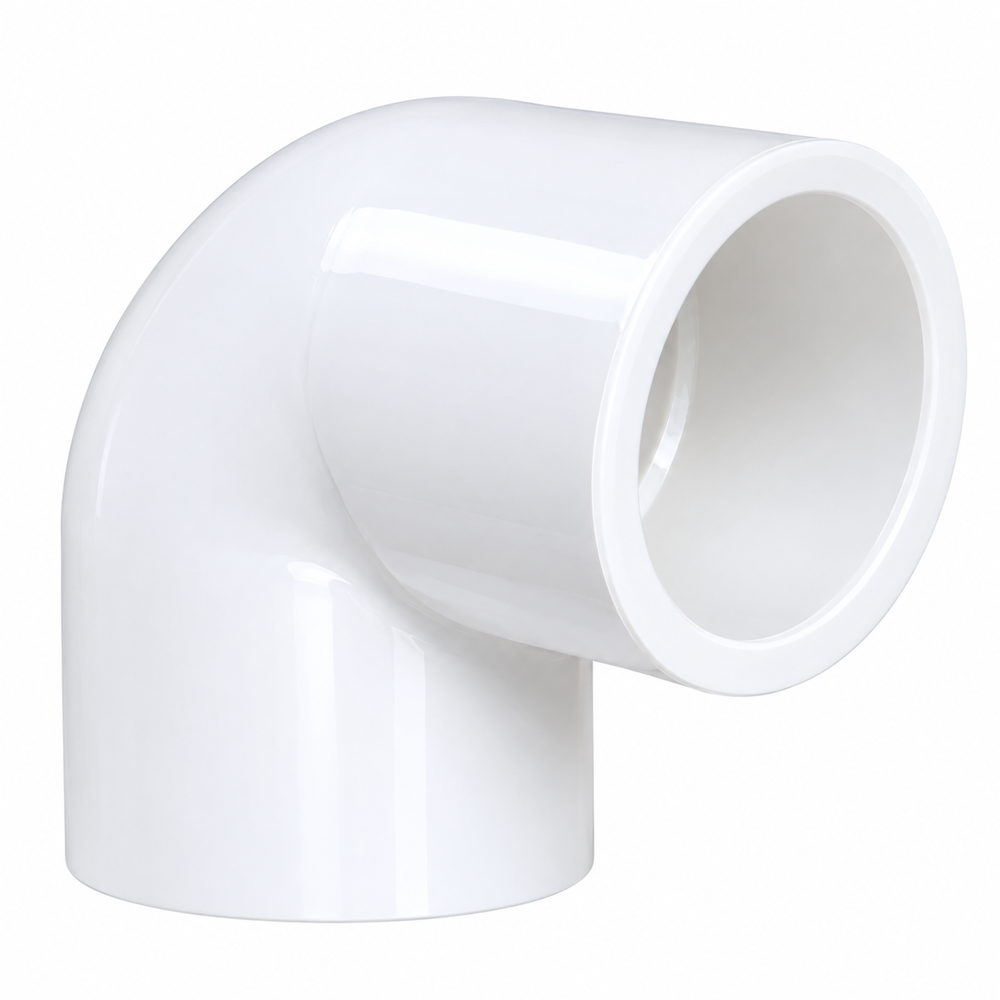
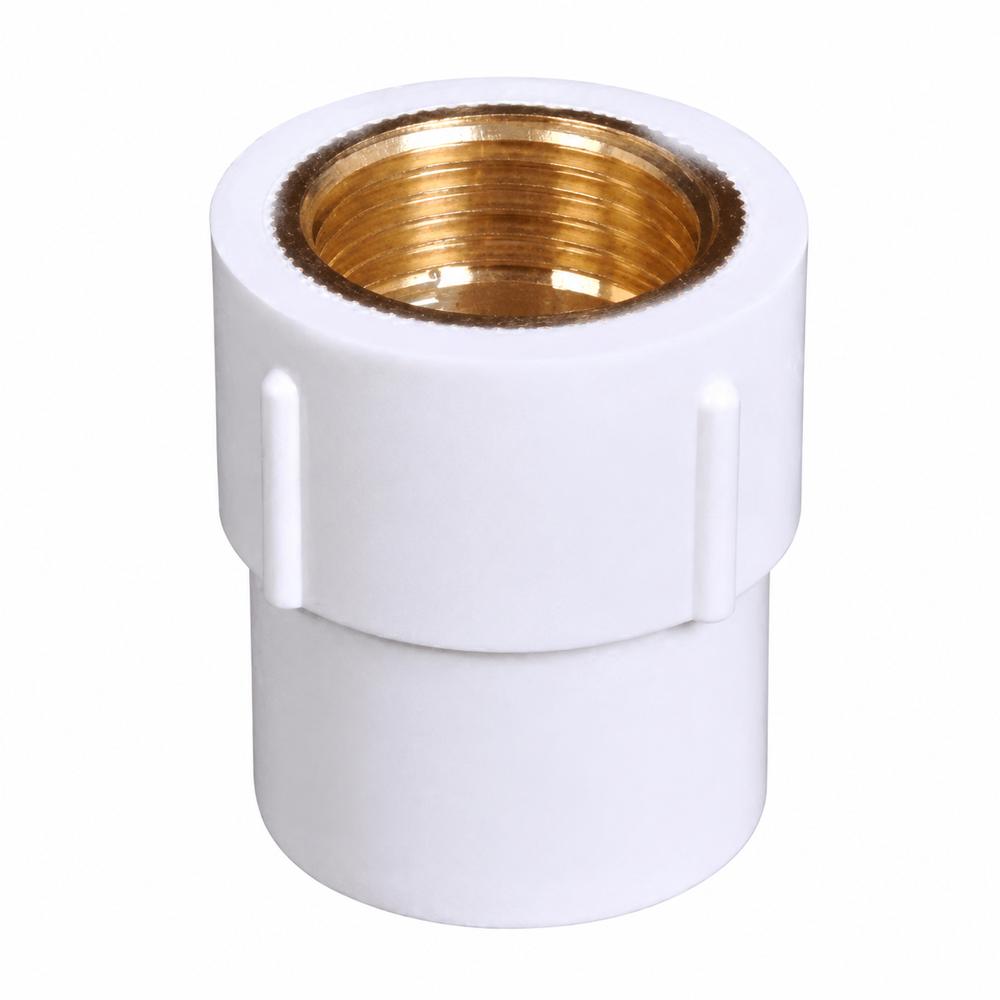
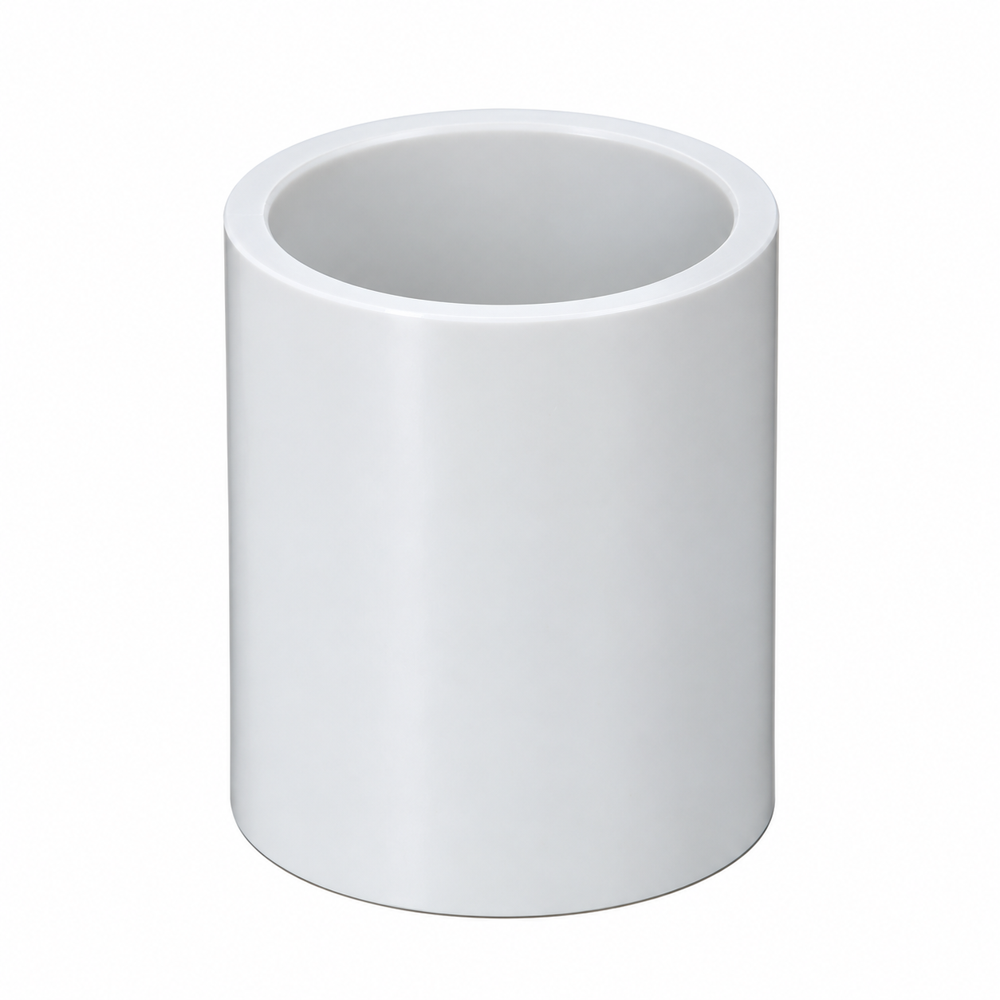
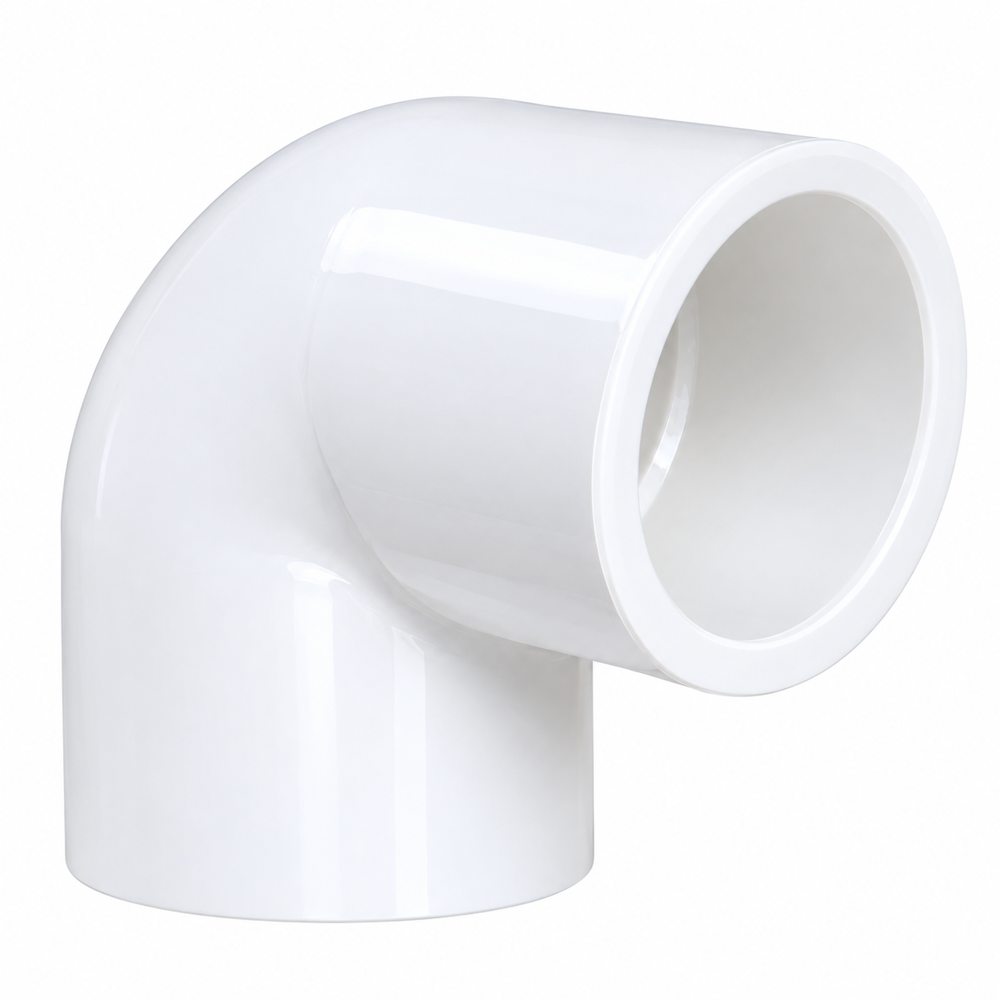
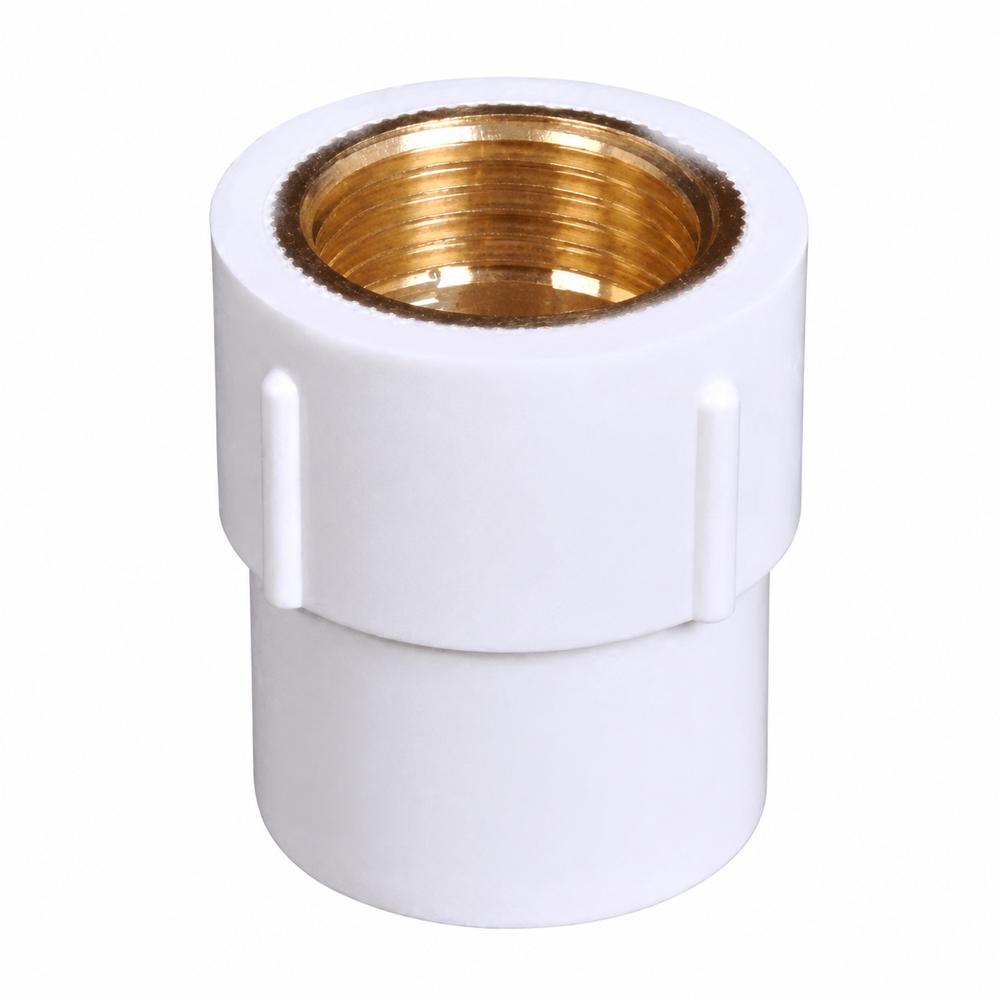
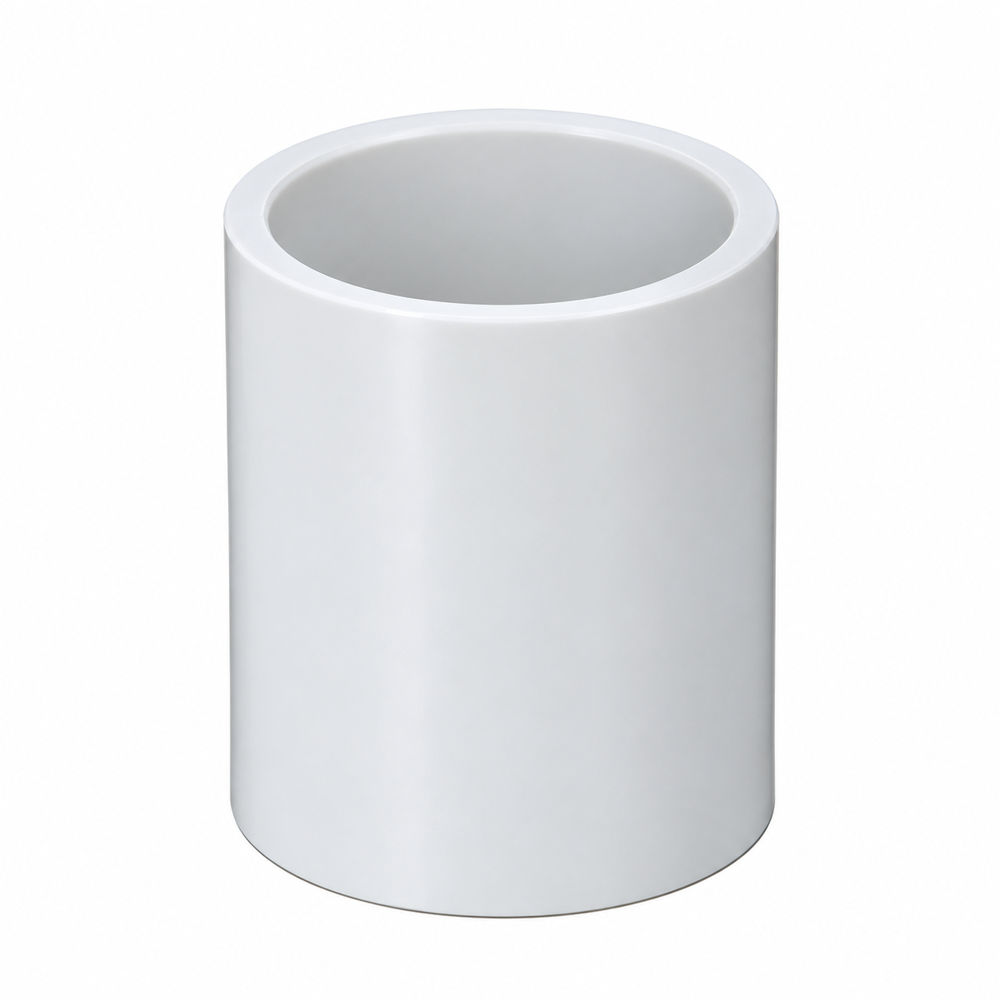
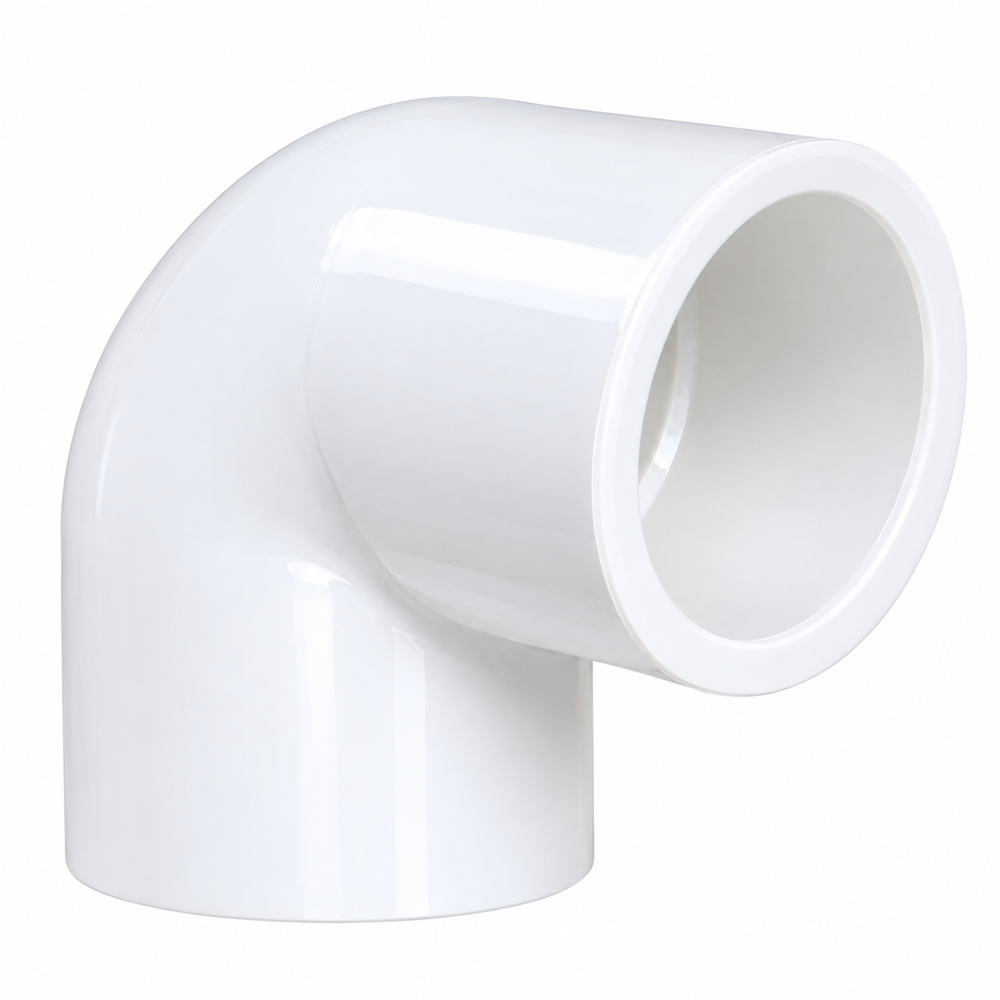
- Elbows, Tees, Reducers, Couplers, Adapters, Unions, End Caps
- AS PER SIZE Kilograms (kg)
- As per Size Millimeter (mm)
- As per Size & Class
- As Applicable
- Water Supply, Irrigation, Plumbing, Agriculture, Drainage
- Solvent Cement Jointing
Product Description
UPVC Fittings
Our premium UPVC Fittings offer a reliable and long-lasting solution for a wide range of piping applications. Manufactured using high-quality Unplasticized Polyvinyl Chloride (UPVC), these fittings provide excellent corrosion resistance, chemical resistance, and dimensional stability. Designed for efficient water flow and secure connections, UPVC Fittings are lightweight, durable, and easy to install. Their smooth inner surface minimizes friction and prevents scaling, ensuring efficient and uninterrupted performance. Suitable for residential, agricultural, irrigation, plumbing, and industrial applications, UPVC Fittings deliver dependable performance with minimal maintenance.
Comprehensive Utility & Features of UPVC Fittings
UPVC Fittings are engineered for use in water supply, irrigation, plumbing, drainage, agricultural, and industrial piping systems. Available in various types and sizes, including elbows, tees, couplers, reducers, unions, adapters, and end caps, they provide flexibility for different pipeline configurations.
Their lightweight construction makes transportation and installation convenient, while their excellent resistance to rust, corrosion, chemicals, and moisture ensures reliable service in demanding environments. The smooth internal surface supports efficient water flow and helps reduce pressure loss. UPVC Fittings can be connected using suitable solvent-cement jointing methods, providing strong, secure, and leak-resistant connections.
Quality, Delivery, and Main Domestic Market
UPVC Fittings are manufactured using quality-controlled materials and processes to provide consistent dimensions, strength, and reliable performance. Depending on the product specification and application, fittings can be supplied in different sizes and configurations to meet project requirements.
Orders are dispatched promptly, with estimated delivery time depending on order quantity, product availability, and destination. Transportation costs are communicated clearly and competitively. UPVC Fittings are supplied across major domestic markets in India, serving residential, agricultural, commercial, and industrial customers in both urban and rural areas.
FAQ's of UPVC Fittings:
Q: What are UPVC Fittings?
A: UPVC Fittings are connecting components used with UPVC pipes to create, change, extend, or terminate a piping system. Common fittings include elbows, tees, couplers, reducers, adapters, unions, and end caps.
Q: What are the main advantages of UPVC Fittings?
A: UPVC Fittings offer excellent corrosion resistance, chemical resistance, lightweight construction, smooth internal surfaces, easy installation, low maintenance, and long-lasting performance. They are particularly suitable for water supply, irrigation, plumbing, and drainage applications.
Q: How are UPVC Fittings installed?
A: UPVC Fittings are generally installed using suitable solvent cement and compatible joining techniques. The pipe and fitting surfaces are properly prepared, the recommended adhesive is applied, and the components are securely joined to create a strong and leak-resistant connection.
Q: Where are UPVC Fittings commonly used?
A: UPVC Fittings are widely used in residential plumbing, potable water supply, agriculture, irrigation, drainage systems, commercial buildings, and various industrial applications.
Q: Are UPVC Fittings resistant to corrosion and chemicals?
A: Yes. UPVC Fittings provide excellent resistance to rust, corrosion, moisture, and many commonly encountered chemicals. This makes them suitable for applications where conventional metal fittings may be susceptible to corrosion.
Q: What types of UPVC Fittings are available?
A: Common types include elbows, tees, couplers, reducers, sockets, unions, adapters, nipples, end caps, crosses, and other specialized fittings. The exact availability depends on the required size and application.
Q: Are UPVC Fittings easy to handle and install?
A: Yes. Their lightweight construction makes them easier to transport, handle, cut, and install compared with many traditional piping materials. This can help reduce installation time and labor requirements.
Q: Can UPVC Fittings be used for agricultural and irrigation systems?
A: Yes. UPVC Fittings are commonly used in agricultural and irrigation pipelines because of their lightweight construction, corrosion resistance, smooth internal surface, and reliable connection properties.
Q: Do UPVC Fittings require high maintenance?
A: UPVC Fittings generally require minimal maintenance when correctly selected, installed, and operated according to the application requirements. Their resistance to corrosion and scaling helps support long-term service.
Q: How should UPVC Fittings be selected?
A: UPVC Fittings should be selected according to pipe size, pressure rating, application, operating conditions, connection type, and applicable standards. Proper sizing and compatibility with the UPVC pipe are important for achieving a secure and reliable piping system.
Tell us about your requirement

Price:
Quantity
Select Unit
- 50
- 100
- 200
- 250
- 500
- 1000+
Additional detail
Mobile number
Email


Contact Details

- Near Prashant Weigh Bridge, Junagadh Road, Rajkot, Dhoraji - 360410, Gujarat, India
- Phone : 08045800775
PAVAN POLIMERS
GST : 24AAPFM3406K1Z6

- Mr Lalit Patel (Managing Director)
- Mobile : 08045800775
- Mr. Sanjay Patel (Partner)
- Mobile : 08045800775
- Send Inquiry
 Send Inquiry


PAVAN POLIMERS
All Rights Reserved.(Terms of Use)
Developed and Managed by Infocom Network Private Limited.
Developed and Managed by Infocom Network Private Limited.
